On December 5, 2018, Argentina’s National Congress enacted Law 27,490, establishing two new marine protected areas within the country’s Exclusive Economic Zone: Namuncurá-Banco Burdwood II, covering 32,336 square kilometers, and Yaganes, located east of Tierra del Fuego and south of the Falkland Islands, spanning approximately 69,000 square kilometers. Together, the two areas place nearly 100,000 km² of ocean under formal protection.
The law was passed with support from environmental, scientific, fishing, tourism, and national defense sectors — an unusual coalition that reflected broad consensus on the strategic importance of these waters. With it, Argentina made a concrete commitment toward the Convention on Biological Diversity’s target of protecting at least 10 percent of its maritime spaces, and took the first formal step toward establishing a National System of Marine Protected Areas.
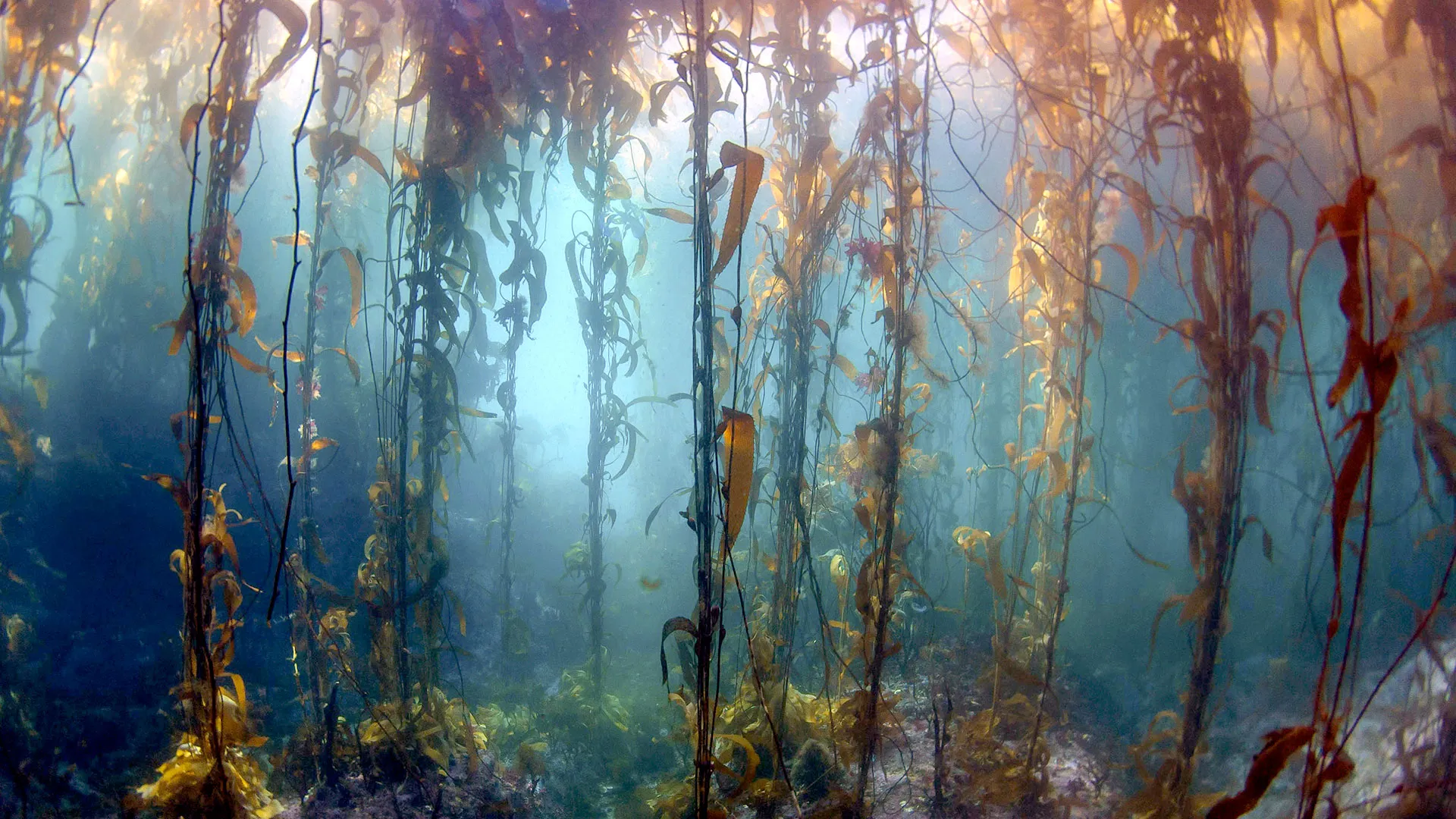
Banco Burdwood II is an undersea ridge located on the continental slope south of the Falkland Islands. Its cold, nutrient-rich waters serve as critical spawning and nursery grounds for ecologically and commercially important species: southern hake, Patagonian squid, and a variety of cartilaginous fish (sharks and rays). A Strict Marine National Reserve classification applies to part of the zone, prohibiting all extraction and disturbance.
Yaganes covers the ocean sector lying between Tierra del Fuego and South Georgia. Its biological significance stems from the Drake Passage and polar front currents, which generate exceptional productivity capable of sustaining penguin colonies, albatross, cetaceans, and a still poorly understood diversity of deep-sea fish.
For technical and scientific divers, the creation of these protected areas has direct implications. Restrictions on industrial fishing reduce pressure on ecosystems that might otherwise deteriorate before being properly documented. At the same time, the legal framework opens the door to future underwater research programs under state supervision.
Since the law was enacted, initiatives such as Pampa Azul — Argentina’s marine science and innovation program — have conducted oceanographic campaigns in both areas to survey biodiversity, currents, and seafloor conditions. Preliminary results confirmed the presence of cold-water coral formations and species not previously documented in detail.
Protection of the Argentine Sea is also a matter of public awareness: most Argentines remain unaware of the richness of their own seabed. Platforms like DiveArgentina aim precisely to bridge that gap between submerged heritage and the society that inherits it.
Sources
- Argentina.gob.ar: Law creating the Banco Burdwood II and Yaganes marine protected areas approved
- Official Gazette of Argentina: Law 27490 - National System of Marine Protected Areas
- Pampa Azul: Argentina gains two new Marine Protected Areas
- Mar Patagónico: Yaganes and Namuncurá / Banco Burdwood II
Source: Argentina.gob.ar