Geography and context
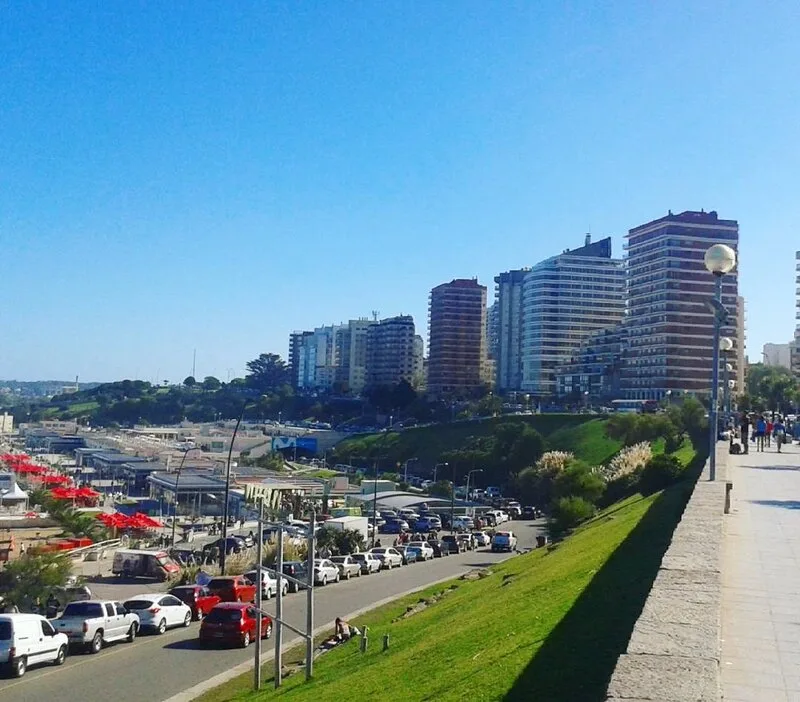
Mar del Plata is located on the southeastern coast of Buenos Aires Province at 38°00′S 57°33′O. Two coastal landmarks define its diving geography: Cabo Corrientes and Punta Mogotes, both rocky headlands with hard-bottom seabed that support benthic fauna and mark the boundary between different water masses.
The Port of Mar del Plata is one of the most active in the South Atlantic: a multipurpose deep-water facility with fishing as its primary activity, supplemented by grain, petroleum and tourism operations. This long-running fishing history is the main reason several documented wrecks lie in the surrounding waters — from fishing vessels lost in accidents to older historical ships.
The coast was historically known as “La Lobería Grande” for its abundant sea lion populations; today South American sea lions (Otaria flavescens) maintain a stable colony at the southern breakwater (Escollera Sur) of the port — the local sea lion sanctuary (Apostadero de Lobos Marinos).
What you’ll see
Mar del Plata combines three distinct dive experiences along the same coast:
1. Rocky reefs (restingas). Cabo Corrientes and Punta Mogotes concentrate hard-bottom seabeds with dense benthic fauna: Patagonian octopus (Enteroctopus megalocyathus), several species of nudibranchs, sea stars, eels, rock fish and crabs. Sheltered sectors host kelp forests (Macrocystis pyrifera) that support the entire coastal benthic chain. Depths from 8 to 20 m, accessible for recreational diving.
2. Sea lions. The southern breakwater (Escollera Sur) of the port hosts the Apostadero de Lobos Marinos — a wildlife sanctuary with a stable colony of Otaria flavescens. Encounters during the dive are common — curious, playful, close. For many divers this is the main draw.
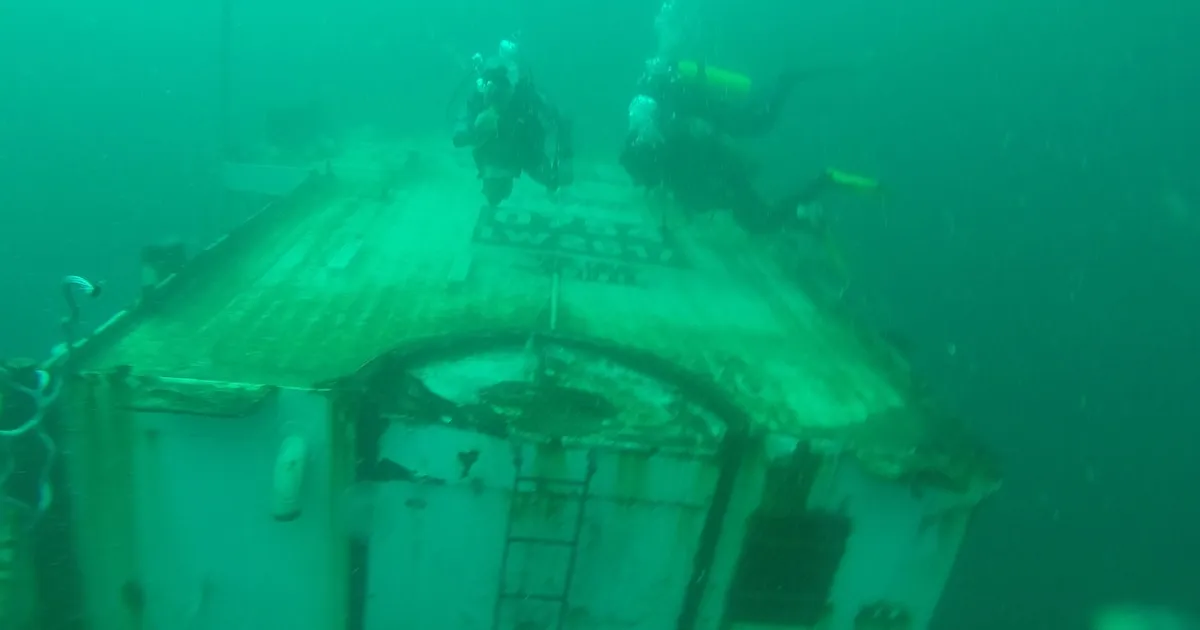
3. Wrecks. A technical community active for decades, clubs with their own vessels and documented wreck databases. Documented wrecks include the Simbad, Khronometer, Sirius, Ribazón Dorine and Kyokko Rúa, plus the Cristo Rey underwater park (named after the first ship intentionally sunk to create the park). The 15–35 m range is accessible for recreational divers; deeper wrecks require technical certification.
Visibility is characteristic of the South Atlantic — driven by sediment and organic load rather than tropical clarity — and rewards good trim and navigation without visual references.
Freediving and spearfishing also have a strong local tradition: the shallow reefs at Cabo Corrientes and Punta Mogotes are regular ground for local apnea divers. Spearfishing is regulated and requires specific licences; check with local clubs or federations (FAAS) before practising it.
When to go
Visibility and water temperature vary seasonally. Summer brings slightly warmer water but higher plankton levels that can reduce visibility. Autumn (March to May) often provides the most balanced conditions: water retaining some summer warmth alongside lower turbidity. In winter temperatures drop considerably and a drysuit becomes the recommended kit.
How to get there
Mar del Plata has an airport with regular flights from Buenos Aires. By road, the Mar del Plata Highway (Provincial Route 2) connects the city to Buenos Aires in approximately 400 km. Long-distance bus service is frequent with multiple companies running the Buenos Aires–Mar del Plata route.
Diving infrastructure is concentrated around the port area.
Clubs and operators
Mar del Plata has a strong tradition of member clubs — non-profit organisations where diving is organised among members, with their own vessels and continuous activity — alongside licensed commercial operators.
- Centro de Actividades Submarinas Escualo (CASE) — historic city club. Member-only diving.
Full and current listing on Operators. All commercial operators must be licensed by the Argentine Naval Prefecture; for schedules and equipment, contact each one directly.
Protected areas and regulations
Commercial dive operations require vessels and guides authorised by the Argentine Naval Prefecture.
For wrecks: under Argentine law, wrecks in jurisdictional waters may be classified as cultural or naval heritage depending on origin and age. Local operators have detailed knowledge of which sites are freely accessible and which carry specific restrictions.
Technical tips
Mar del Plata has variable visibility depending on season and sea state: winter months (June–August) offer the best wreck diving with up to 12 meters of visibility and less boat traffic. Water temperature is around 10–11°C in winter; a drysuit or 7mm semi-dry with hood and gloves are essential. Currents can be strong at more exposed wrecks — check with the operator before each dive.
Sources
- Wikipedia ES — Mar del Plata (geography, port, coastal fauna, natural reserve)
- INIDEP — January 2025: 22.0°C, historical mean 21.1°C (temp_agua january)
- INIDEP — February 2026: 22.5°C, historical mean 21.3°C (temp_agua february)
- INIDEP — March 2026: 20.9°C, historical mean 20.2°C (temp_agua march)
- INIDEP — April 2025: 17.4°C, historical mean 18.0°C (temp_agua april)
- INIDEP — May 2019: 15.1°C = historical mean for May (temp_agua may)
- INIDEP — October 2024: 15.3°C, historical mean 14.0°C (temp_agua october)