News
Latest from the community.
An independent space for field reports, destination context, and technical questions among divers in Argentina.
The first southern right whales have been spotted in Golfo Nuevo. The official season opens in June.
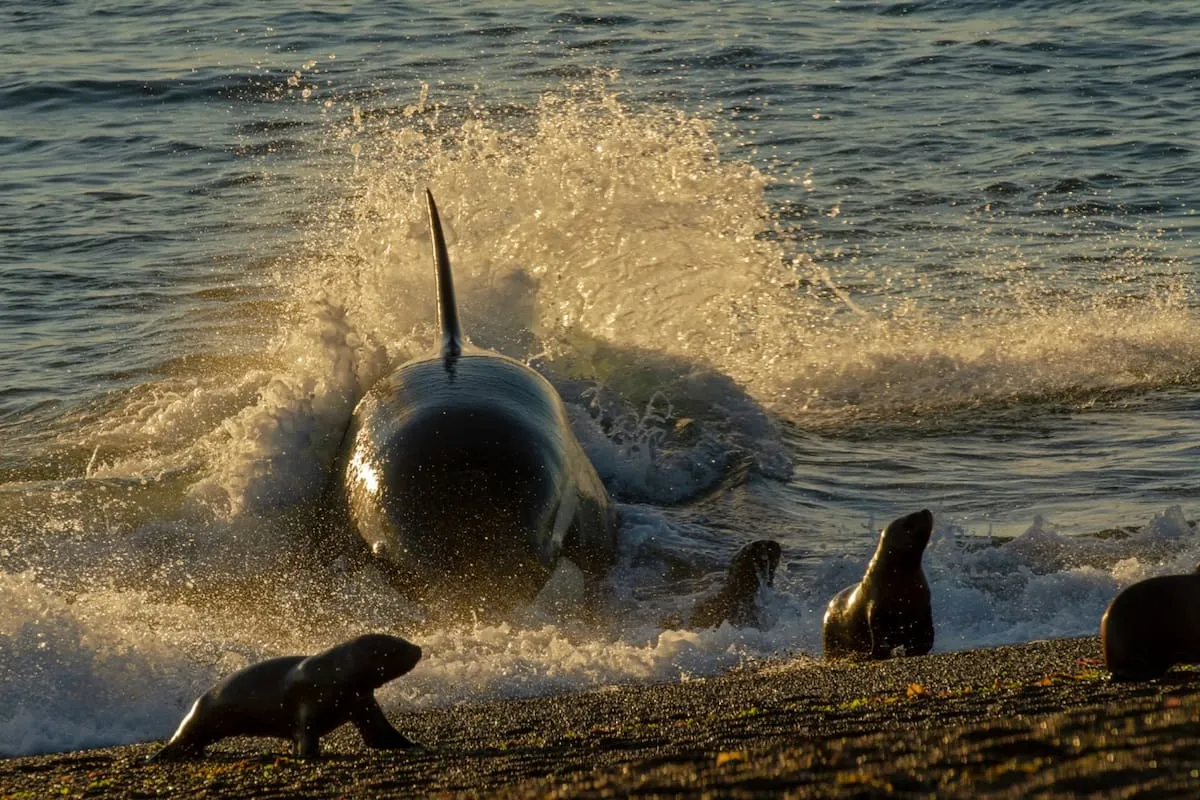
Every year between March and May, the orcas of Península Valdés perform at Punta Norte a hunting technique unique in the world: intentional beaching on pebble shores to catch sea lion pups.
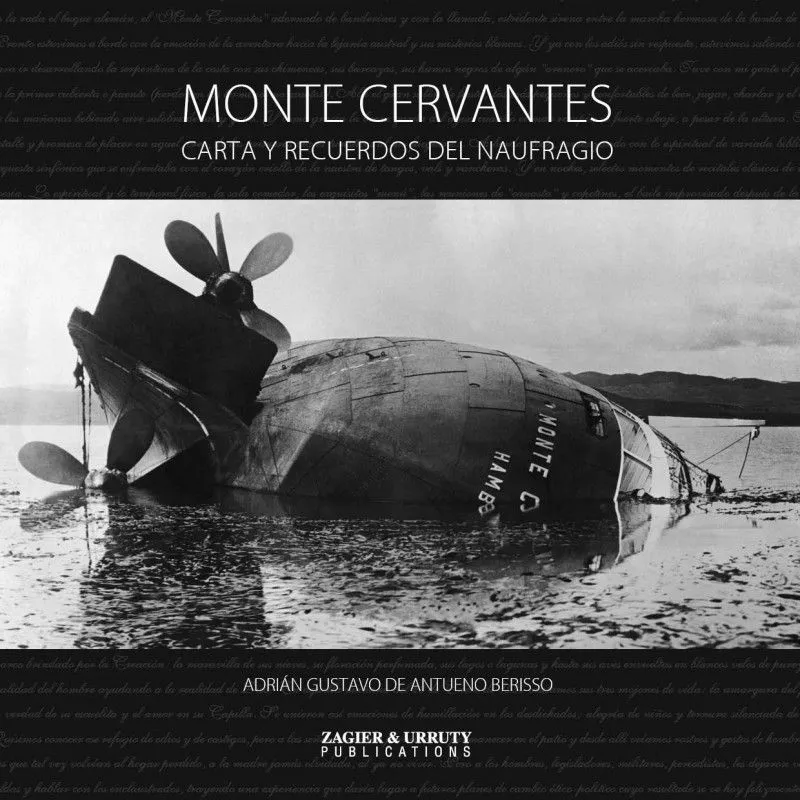
On January 22, 1930, the German ocean liner Monte Cervantes ran aground and sank off Ushuaia with more than 1,200 people on board. Press accounts of the 2023 Pane expedition place the main hull near 140 meters depth, beyond recreational range.
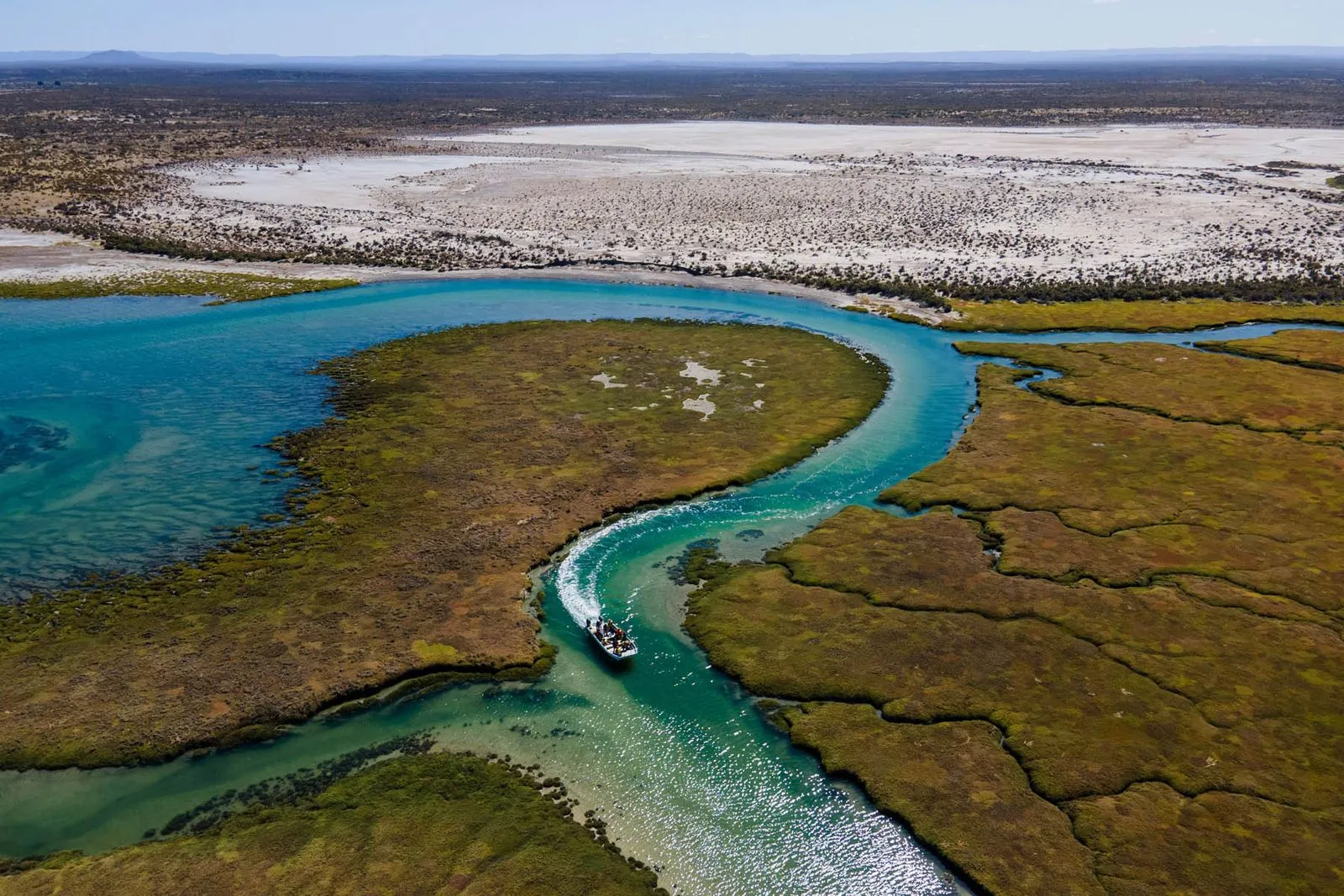
Founded in the 1950s as a seaweed harvesting operation, Bahía Bustamante is today an ecotourism estancia in Chubut with sea lion colonies, penguins, and access to Patagonia Austral National Park.
The wreck of the British warship HMS Swift, sunk in 1770 off Puerto Deseado, is one of the most thoroughly studied underwater archaeological sites in Latin America.
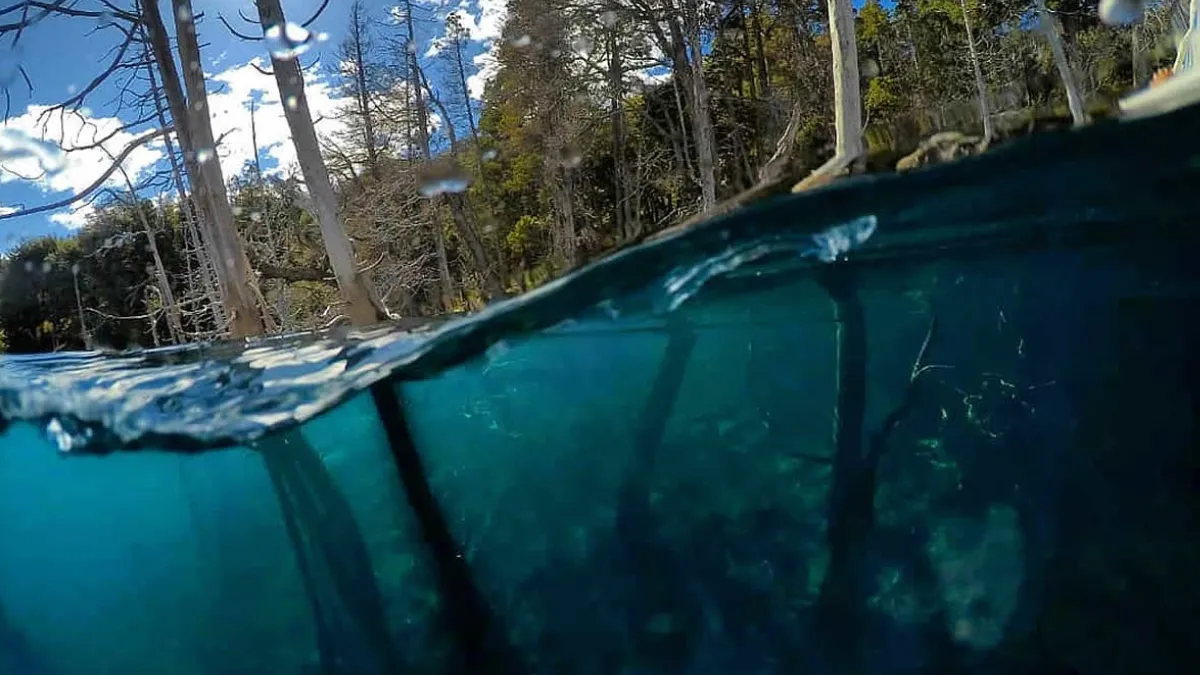
In Lago Traful, within Nahuel Huapi National Park, a geological fault sent a cypress forest to the bottom of the lake, where it remains nearly intact at 25 meters depth — one of Argentina's most singular diving sites.
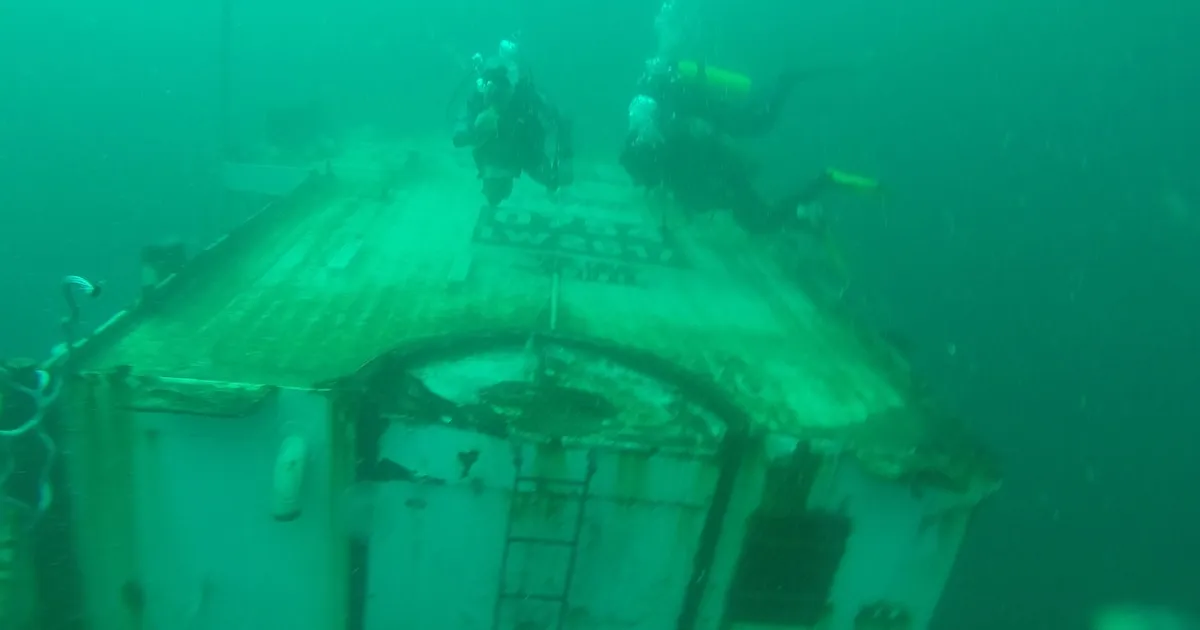
Since 1981, the Centro de Actividades Submarinas Escualo (CASE) has been running an unusual project in Mar del Plata: sinking decommissioned ships to create artificial reefs that now rank among the most visited dive sites on the Buenos Aires Atlantic coast.
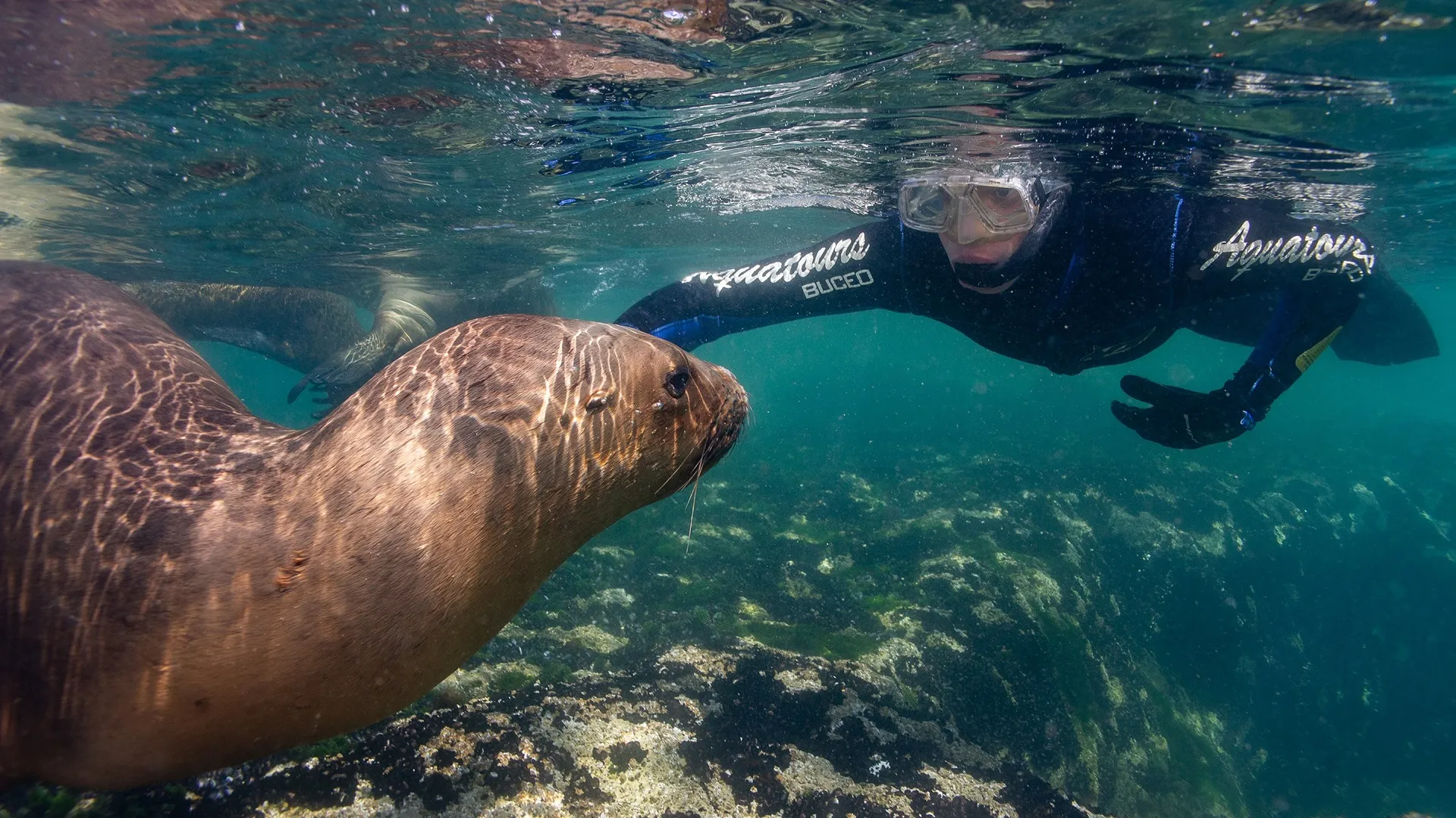
Near Puerto Madryn, the Punta Loma Natural Reserve hosts a permanent colony of South American sea lions and is the only place in Argentina where you can dive and snorkel with them year-round.
Over more than half a century, several ships wrecked on the rocky reefs of Punta Mogotes off Mar del Plata's lighthouse. Their scattered remains on the seabed form an underwater historical archive well known to local divers.
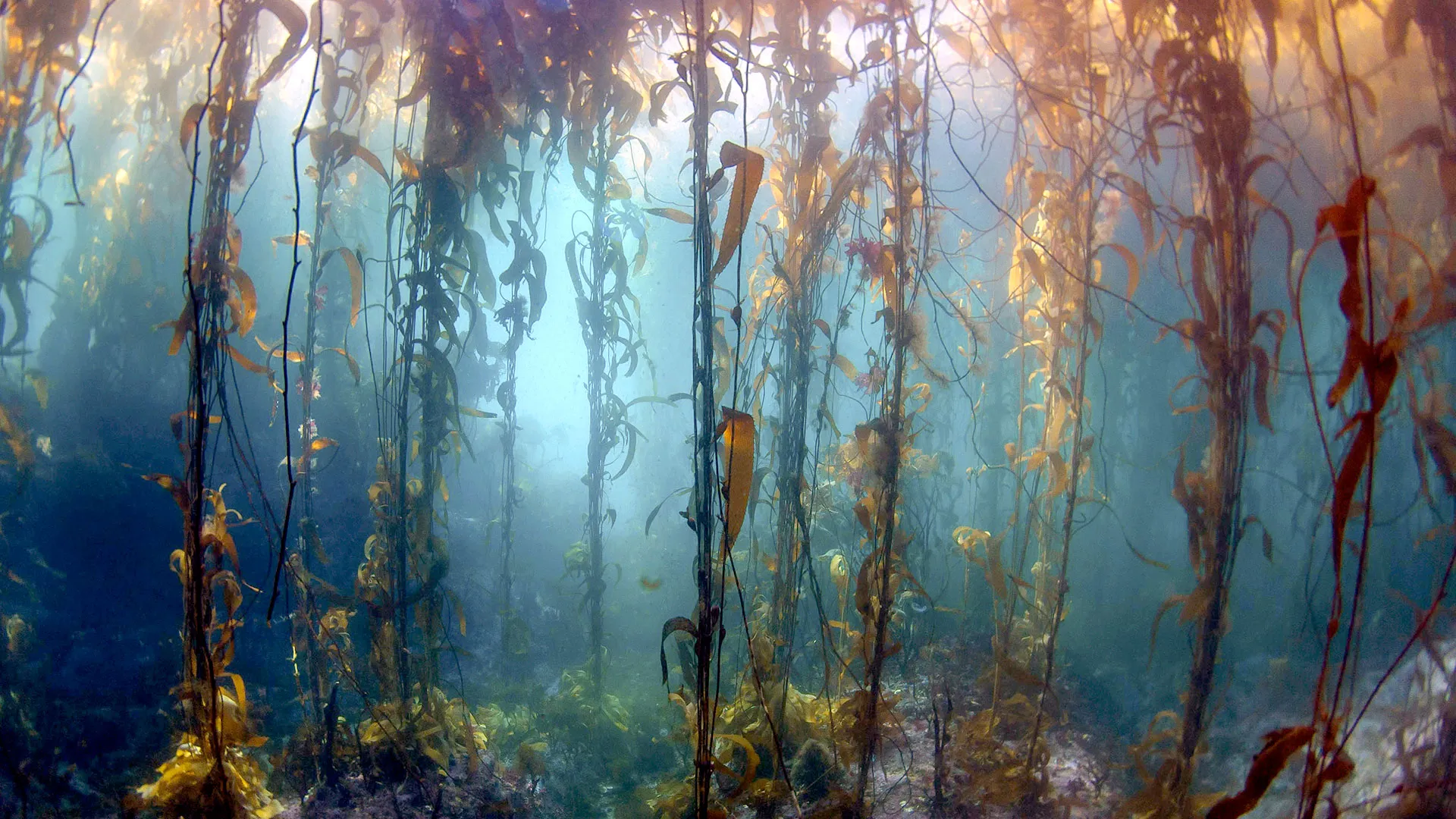
The passage of Law 27,490 in 2018 created the Yaganes and Namuncurá-Banco Burdwood II marine protected areas, placing nearly 100,000 km² of ocean under formal protection in the Argentine South Atlantic.